Forget the Algorithm: 2026's Best Roadside Weirdness Is a Spite Store and a One-Room Museum
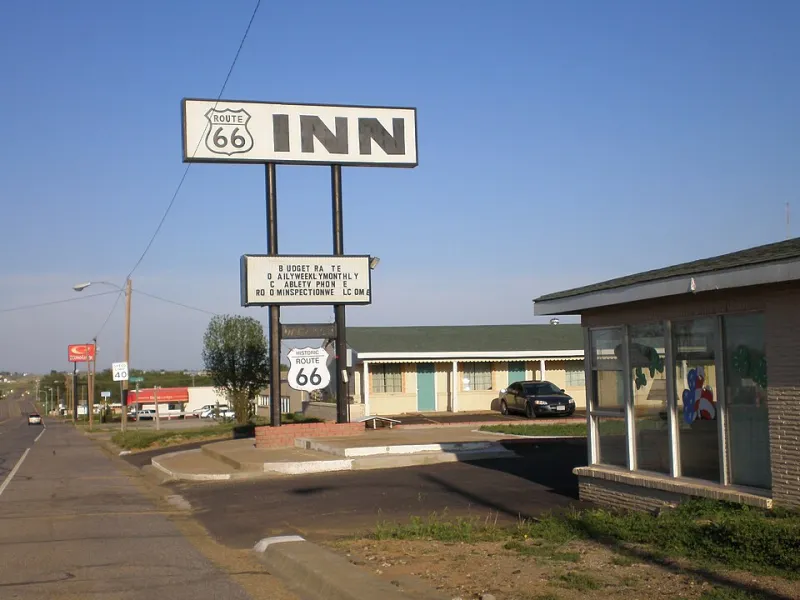
Photo: Ericshawwhite, CC BY-SA 3.0, via Wikimedia Commons
In 2026, travel algorithms are very confident. They know your saved posts, your budget, your preference for 'hidden gems' that somehow have 40,000 reviews. But the best weird stop on a US road trip right now is usually the one that never asked to be optimized: a spite store opened to irritate a rival, a one-room museum with a single exhibit and a laminated argument, a roadside statue with lore that changes depending on who is telling it. These places are not content. They are local grudges with parking.
The Spite Store Is a Love Language
A spite store is simple: someone opens a business for the express purpose of annoying another business. In 2026, these places are having a moment because they are the opposite of a brand strategy. One barbecue stand in Missouri reportedly opened across from a rival that refused to cater a wedding; now it sells a sandwich called 'The Petty Brisket.' A donut shop in a New England town stays open late because the owner's cousin said it would never last. The donuts are fine. The sign is better. The point is not the product. The point is the plot.
One Room, Infinite Lore
Tiny museums are the other half of the formula. A one-room museum can be about anything: a retired ferry, a local flood, a collection of hotel keycards, a single giant ball of twine. The best ones have a volunteer who will tell you the story for 20 minutes and then charge you $4. In 2026, these places are drawing curious visitors not because they are polished, but because they are specific. You cannot algorithm your way into a museum that exists because one guy inherited 300 salt-and-pepper shakers and refused to let the dream die.
Roadside Statues and the Lore Economy
Then there are the statues. A 12-foot fish. A cowboy with a missing boot. A statue of a local mayor's dog that was erected after a town argument and has never been explained. The lore is the attraction. In 2026, the internet loves a plaque with a questionable claim. The plaque is usually wrong. The plaque is also usually the best part. Small-town weirdness wins because it is not trying to be a destination. It is trying to settle a score, preserve a memory, or fill a vacant lot.
Why the Algorithm Can't Find the Good Stuff
Algorithm-driven travel lists are built on signals: saves, shares, reviews, photos. Hyperlocal weirdness is built on grudges, inherited buildings, and the kind of local knowledge that never makes it into a search index. That is why a perfectly fine overlook gets 10,000 saves and a spite store gets a hand-painted sign and a line of locals. The algorithm rewards polish. The road rewards surprise. In 2026, the better trip is not the one with the best list. It is the one with the strangest detour.
A Starter Itinerary for 2026
Start in the Midwest: find a small town with a one-room museum and a diner that closes at 2 p.m. Ask the volunteer what the town is known for. Follow the answer. Next, head south and look for a business with a name that sounds like a personal insult. Buy something small. Read the sign. Then find the nearest roadside statue and take a photo that makes it look more mysterious than it is. End at a gas station, because every great weird trip needs a snack bracket. This is a loose itinerary. That is the point.
Send Us Your Detours
We want the weird stuff that does not show up on a best-of list: the museum with one exhibit, the statue with a grudge, the store opened out of pure pettiness. Send us the town, the stop, and the lore. In 2026, the best travel guide is a group chat with a good memory. The algorithm can keep the top 10. We will take the detour with the hand-painted sign.